In Alberta, transferring a car to a relative entails certain procedures and documentation that many people find perplexing. This guide is intended for residents of Alberta who wish to avoid expensive errors or delays when we transfer car ownership to family member Alberta to spouses, children, or other family members.
The legal requirements that distinguish family car transfers from ordinary sales will be covered, along with the documents you must obtain and the correct way to collect them. From visiting the registry to updating insurance, we’ll take you step-by-step through the entire Alberta vehicle registration transfer process.
Understand Legal Requirements for transfer car ownership to family member Alberta
Know when family transfers qualify for reduced fees
When we transfer car ownership to family member alberta offers substantial savings. If you’re transferring to a parent, sibling, spouse, or child, you can avoid paying the $84.25 standard transfer fee. Grandparents, grandchildren, and in-laws are also eligible for this discounted fee, which significantly lowers the cost of family transfers.
Also Read: How Much Are Catalytic Converters Worth in Calgary?
The most important prerequisite is providing official documentation of your family relationship. Regardless of your relationship, you will be responsible for paying the entire transfer fee if you do not have legitimate proof. These transfers are handled differently than typical sales by Alberta Transportation, which views them as “related party transfers.”
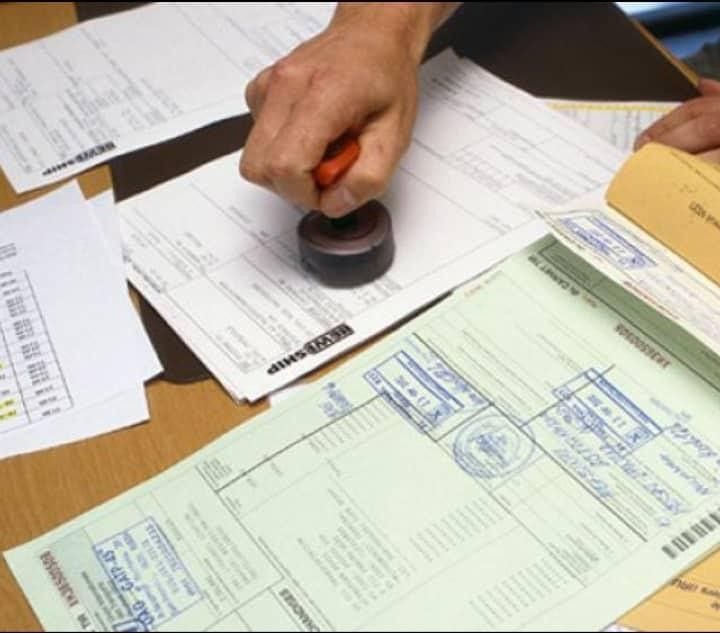
Identify required documentation for related party transfers
Determine the paperwork needed for transfers involving related parties.
To be eligible for reduced fees, family vehicle transfer procedures require certain documents. A filled-out Application for Registration and Title form, the original vehicle registration certificate, and above all documentation of your familial ties are required.
Relationship proofs that are accepted include:
- Birth certificates demonstrating the relationships between parents and children
- Marriage licenses for partners
- Death certificates for the transfer of inheritance
● Adopted family members’ legal adoption documents
Having maintenance records to demonstrate the vehicle’s condition is a good idea, even though a vehicle history report is not required. Before proceeding, you will require a letter of consent from the lender if there is an active loan.
Understand tax implications and exemptions
In Alberta, family transfers are tax-favored. Transfers between parents and children, grandparents and grandchildren, and spouses are not subject to provincial sales tax, which can save hundreds of dollars.
The declared value of the car is still important, though. Even if no money is exchanged, you still have to report its fair market value. Future capital gain considerations and insurance premiums are impacted by this sum.
Taxes may be triggered by transfers to extended family, such as cousins or nephews. Before moving forward, always confirm your circumstances with the Alberta Treasury.
When changing ownership, confirm the insurance requirements
Continuous insurance coverage during ownership transfers is mandated by Alberta law. Until the transfer is finalized, the current owner is required to maintain their policy. Before operating the vehicle, the new owner must have current insurance.
Before beginning the process, get in touch with your insurance company. To make things easier, some insurers provide brief extensions for family transfers or even direct policy transfers between family members.
Even if all the paperwork is accurate, the registry will deny your ownership change if you do not have valid insurance.
Gather Essential Documents Before Starting the Transfer
Obtain the original certificate of vehicle registration
Any transfer of ownership of a vehicle in Alberta is based on this certificate. Important details like the VIN, make, model, year, and current owner are all included. Before starting the transfer, get in touch with your registry agent to request a replacement if it is lost.
Make sure the registration is up to date. Registrations that have expired may make things more difficult and take longer to finish. Photocopies will not be accepted, so keep the original document safe.
Get both parties’ valid identification
Both the new owner and the existing owner must show a legitimate form of government identification, such as a passport or driver’s license from Alberta. Verify that the names on all IDs correspond to the names on the documents precisely to prevent delays.
Provide documentation of a recent name change, such as a marriage license or a certificate of legal name change.
Secure Proof of Relationship Documentation
Your family relationship must be verified by registry offices. Birth certificates, marriage certificates, and adoption papers are among the accepted documents.
A birth certificate with both names on it is necessary for parent-to-child transfers. A marriage certificate is required for spousal transfers. Verify the specific proof requirements with your registry in advance for distant relatives. Standard photocopies are not accepted, only original or certified copies are.
Prepare Safety Inspection Certificates if Required
Before the transfer is complete, some cars need to be inspected. This group may include older automobiles or commercial vehicles. Within 30 days of the transfer date, a licensed facility must complete the inspection. Verify with your registry. If this step is necessary for your car.
Finish the Transfer of Vehicle Registration Process
Accurately complete the application for a vehicle registration transfer
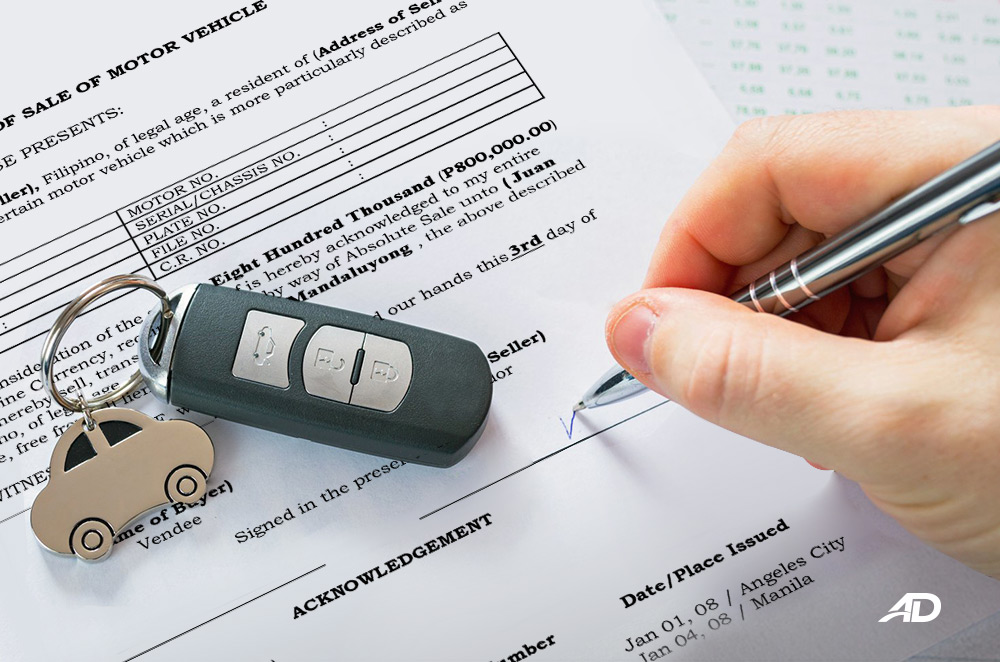
Time is saved by correctly completing the transfer form. Enter information such as the vehicle’s VIN, driver’s license numbers, and the full names of both owners.
Verify every detail one last time before submitting. Name, birthdate, or VIN errors can result in significant delays. Write clearly if you are filling out the form by hand, or use the online version if it is available.
The form needs to be signed by both parties. Ask your registry about notarized forms as an alternative if the recipient isn’t there.
Send paperwork to the registry office in Alberta
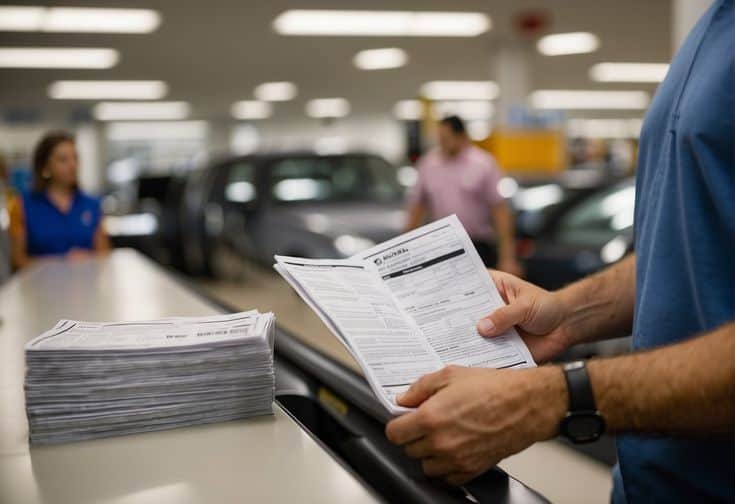
Bring all original documentation to the registry office that is closest to you. Registry agents can help you with any unclear steps because they deal with transfers on a daily basis.
For quicker service, try to visit during off-peak hours. Appointments are also accepted at many offices.
Pay the taxes and transfer fees that apply
Typically, transfer car ownership to family member Alberta typically start at $10, though depending on the situation, there may be additional fees. Although there are different ways to pay, most offices take credit or debit cards.
Inquire up front about family exemptions, as Alberta offers discounted rates for spousal or parent-child transfers.
Receive new registration certificate in family member’s name
The registration certificate, which attests to legal ownership, is given to the new owner upon approval. Before you leave the office, make sure that all of the names, addresses, and vehicle information are correct.
Keep this document in the car at all times.
Considerations for Insurance and Financing
Update the details of your auto insurance policy right away
As soon as the transfer is complete, notify your insurer. The new owner needs to make any necessary updates or make their own regulations.
Some insurance companies provide family or multi-car discounts. Compare rates from different companies because new drivers may have higher premiums.
It is against Alberta law to drive without insurance, so always keep your coverage during the transfer.
Transfer or discharge existing vehicle loans
You cannot transfer complete ownership until the outstanding loan has been paid off. You have two options:
- Pay off the loan in full.
- Give the family member the loan.
- Refinance in the name of the new owner
For the best course of action, speak with your lender.
Inform lenders of the need for an ownership change
Before transferring ownership, the majority of lenders demand approval and notification. They might request updated insurance information, proof of income, or credit checks.
Penalties or demands for full loan repayment may follow from failing to notify them.
Complete the Administrative Post-Transfer Tasks
Add the new owner’s details to the vehicle’s records
To update official records, get in touch with Alberta Motor Vehicle Registration. This avoids misunderstandings during fines or renewals.
Verify that the address on all documents corresponds to the new owner’s address if they moved. As evidence, keep your fee receipts.
Terminate or transfer current auto warranties
Examine the extended warranty and manufacturer’s policies. While some transfer automatically, others need an application or fee.
Keep copies of any warranty cancellations or transfers with your other transfer documentation.
Notify relevant parties of ownership change
Remember to update:
- Institutions of finance
- Parking officials
- Toll-free services
- Programs for emergency roadside assistance
- Subscriptions pertaining to vehicles
Billing and service problems can be avoided by keeping everyone informed.
Save the transfer paperwork for later use
Keep all documents secure, including insurance updates, registration confirmations, and receipts. Maintain both physical and digital copies.
Proper documentation demonstrates legal compliance and protects both parties.
Conclusion
Understanding each step makes it easier to transfer car ownership to a family member in Alberta. You can prevent delays and fines by compiling all necessary paperwork, making sure your insurance continues, and abiding by Alberta’s registry regulations.
Maintain organization, adhere to formal protocols, and carefully review all documents. In addition to guaranteeing a seamless, legal transfer, doing this protects you and your loved ones.
FAQs
-
Can I transfer car ownership to family member Alberta to my spouse without paying taxes?
Yes, transfers of vehicles between parents, children, and spouses are tax-exempt in Alberta. Proof of relationship, such as a marriage or birth certificate, is required.
-
What documents are needed for transfer car ownership to family member Alberta
A completed Application for Registration and Title form, proof of relationship, a valid photo ID for each party, and the vehicle registration certificate are required.
-
Do I need a vehicle inspection for family transfers?
Not all the time. Inspection is usually only necessary for older or commercial vehicles. Before moving forward, confirm with your registry office.
-
Can I transfer a financed vehicle to a family member?
Yes, but only with permission from the lender. Before the ownership transfer is complete, the loan needs to be paid off, transferred, or refinanced.
-
How long does it take to transfer ownership in Alberta?
As long as all paperwork and payments are in order, registry offices typically process transfers the same day.
Hi there this is kinda of off topic but I was wondering if blogs use WYSIWYG editors or if you have to manually code with HTML. I’m starting a blog soon but have no coding skills so I wanted to get advice from someone with experience. Any help would be enormously appreciated!
An interesting discussion is value comment. I think that it is best to write extra on this subject, it won’t be a taboo subject but generally individuals are not enough to speak on such topics. To the next. Cheers